Highland Park was established in 1798, though illicit distilling on this hillside above Kirkwall began considerably earlier. The site was first associated with Magnus Eunson — a church officer and presumably enthusiastic hypocrite who ran an illicit still beneath the church floor, moving his whisky to coffins when the excise men came. He was eventually caught, the still was seized, and a legal licence was obtained.
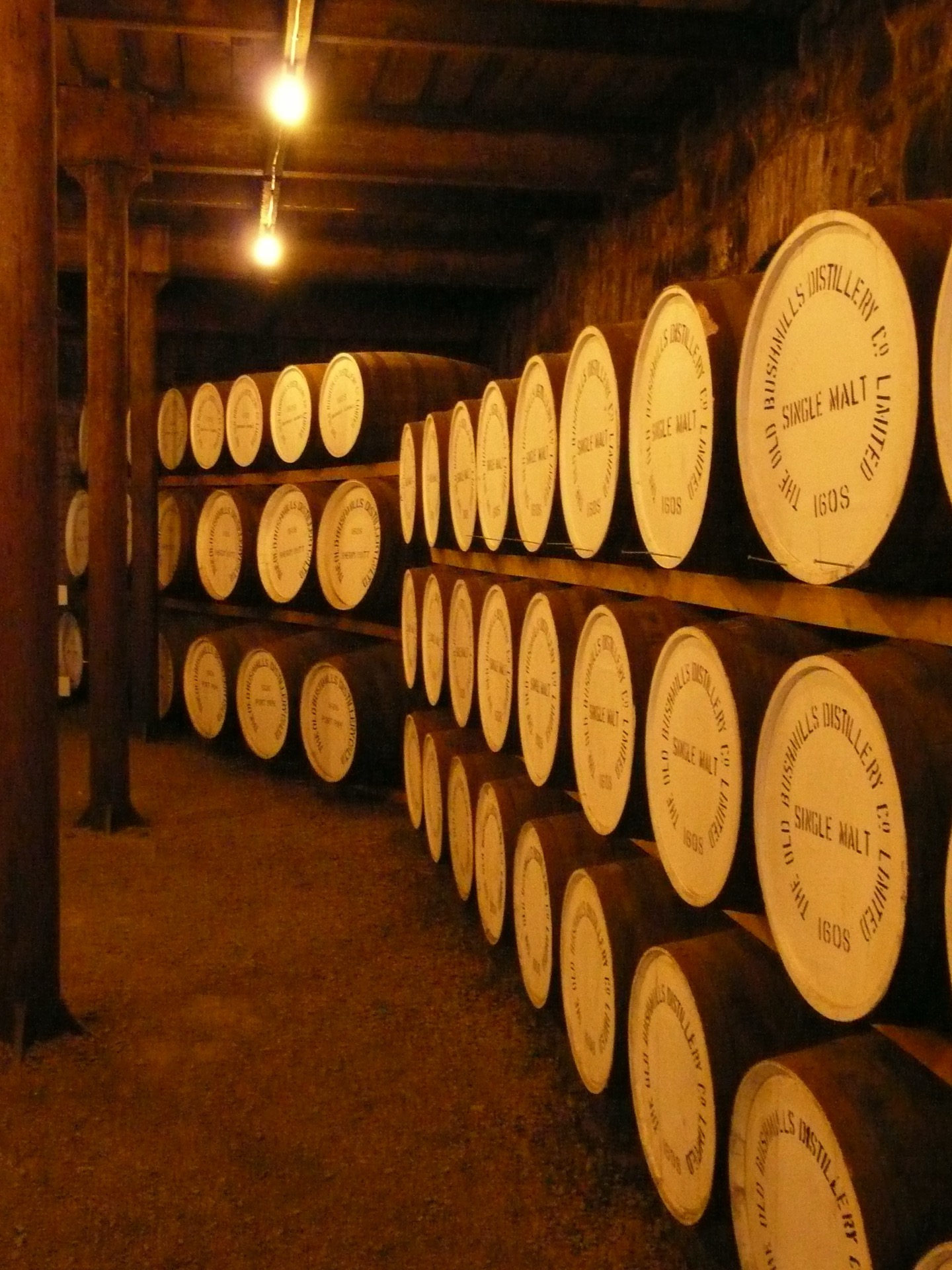
What makes Highland Park distinctive is a combination of factors that cannot be separated: the Orkney peat, cut from the moorland above the distillery, which is rich with heather and compressed organic matter rather than the dense, phenolic peat of Islay; the malted barley, which is still partially prepared on the distillery's own malting floor; and the warehouses, which sit on a windswept hillside where the Atlantic and North Sea climates merge and push through the cask staves over years of maturation.
"The character of Highland Park is formed in the warehouse. The still gives you a blank canvas; the Orkney climate fills it in."
We visited the warehouses at Highland Park three times before we selected cask GS/HP/014. On the first visit, we found ourselves drawn to the older bourbon hogsheads on the lower runs — the first two racks, where temperature fluctuation is most pronounced and the interaction with the cask is most active. On the third visit, we brought a glass and a pipette, and we tasted from cask after cask until we found the one that had developed that particular balance of salted caramel, heather smoke, and beeswax that we were looking for.
This is what independent bottling is. It is not a catalogue order. It is standing in a cold warehouse with a pipette and a glass, and listening to what the cask is telling you.